
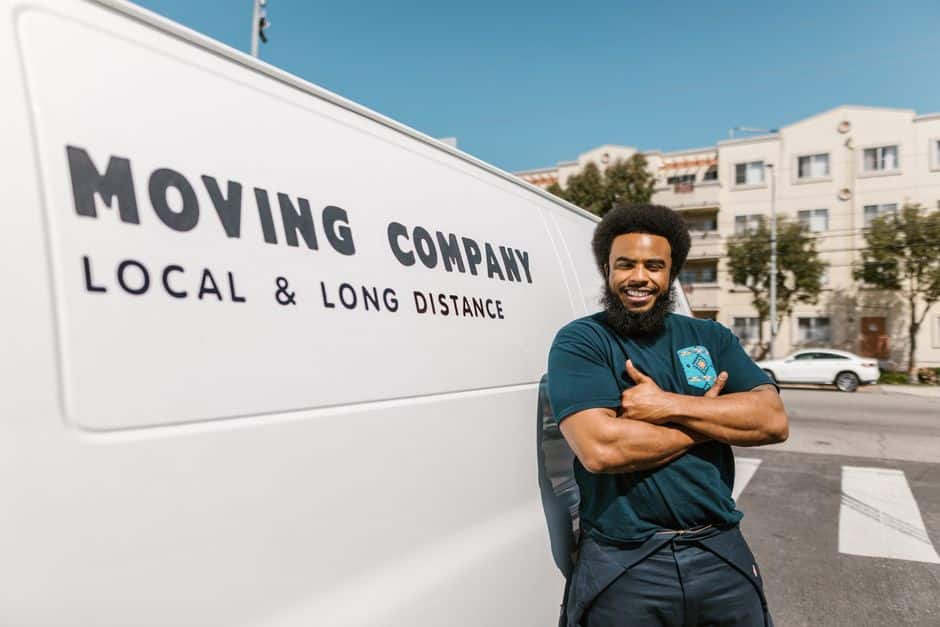
A moving company handles the heavy lifting (literally) when you relocate to a new home or office. They pack your belongings, load them into a truck, transport everything safely, and unload at your new location. But there’s way more to it than just throwing boxes in a van.
If you’re planning a move in New Orleans or beyond, understanding what a professional moving company actually does helps you decide whether to hire one and what to expect from the experience.
The Core Services a Moving Company Provides
Most moving companies offer a range of services designed to make your relocation as smooth as possible. Here’s what you’ll typically get:
- Packing and materials: Professional movers pack your items using quality boxes, tape, bubble wrap, and padding. They know how to protect fragile stuff and maximize space in boxes.
- Loading and unloading: This is the muscle work. Trained crews load boxes and furniture onto the truck efficiently, then unload everything at your destination in an organized way.
- Transportation: The actual move from point A to point B. Companies handle vehicles, route planning, and safe delivery of your belongings.
- Furniture assembly and disassembly: Many movers will take apart beds, desks, and other furniture before loading, then reassemble it at your new place.
- Specialty item handling: Pianos, artwork, antiques, and other valuable or delicate items require extra care. Professional movers have the equipment and training for these.
When you work with a company like EZ Movers, you get transparent pricing upfront so there are no surprises on moving day.
Local vs. Long-Distance Moving Services
Moving companies typically split their offerings into two categories, and the approach differs significantly.
Local moves stay within a specific region, usually within 50 miles. These are often charged by the hour. A local moving company in New Orleans can handle residential relocations across the city or to nearby areas quickly and affordably.
Long-distance moves go 50+ miles and might cross state lines. These are usually priced by weight and distance. Long-distance movers use larger trucks, coordinate multi-day moves, and handle the logistics of moving your stuff across the country. Insurance and licensing become even more critical for these jobs.
Both types require professional coordination, but long-distance moves demand more planning and communication to keep everything on schedule.
What About Residential vs. Office Moves?
The fundamentals are the same, but office relocations have different requirements.
Residential moving focuses on your personal belongings: furniture, kitchen items, clothing, electronics. Movers work around your family’s schedule and handle sentimental items with care.
Office relocation involves desks, filing systems, computers, equipment, and supplies. Moving companies coordinating office moves emphasize precision timing to minimize business downtime. Many businesses need their office fully operational within a day or two, so timing and coordination are critical. According to the U.S. Bureau of Labor Statistics, specialized office moving services have grown as more companies relocate or downsize in 2026.
Why Hire a Professional Moving Company Instead of DIY?

You might be tempted to rent a truck and move yourself. Here’s why that usually backfires:
- Physical risk: Moving heavy furniture and boxes is how people get injured. Back injuries, dropped items, and strain are real dangers.
- Time and labor: A full DIY move takes way longer than you expect. You’ll spend days packing, loading, driving, and unloading instead of settling into your new place.
- Hidden costs: Truck rental, equipment rental, fuel, and potential damage to the vehicle add up fast. By the time you’ve paid for everything, professional movers might have been cheaper.
- Damage risk: Without experience, your furniture and belongings have a higher chance of getting damaged during transport. Professional movers have insurance to cover accidents.
- Peace of mind: Knowing trained professionals are handling your move lets you focus on other aspects of relocation, like setting up utilities or finding schools for your kids.
When you choose EZ Movers, you’re not just paying for muscle. You’re paying for expertise, reliability, and the confidence that your move will happen on time and on budget.
How Moving Companies Actually Organize Your Move
Here’s the step-by-step process most professional movers follow:
1. Initial consultation: You discuss your moving needs, timeline, and budget. The company sends an estimator to assess the volume of items being moved (or offers a virtual estimate).
2. Binding estimate: You get a detailed quote based on the assessment. A binding estimate means the price won’t change unless you add items.
3. Packing phase: If you’ve chosen packing services, movers arrive and systematically pack everything. They label boxes by room and create an inventory list.
4. Loading day: The crew arrives early, loads the truck in an organized way to prevent shifting and damage, and secures everything for transport.
5. Transport: Your belongings travel to the new location. For long-distance moves, this might take several days. The company tracks shipment details and keeps you updated.
6. Unloading and placement: Movers unload items and place them in the correct rooms at your new home or office. Some companies offer placement services where they position furniture exactly where you want it.
7. Final walkthrough: You inspect the delivered items, check inventory against the list, and sign off. Any damages are documented and handled through the company’s insurance.
What You Should Know Before Hiring Any Moving Company
Not all movers are created equal. Here’s what to verify before you book:
- Licensing: Interstate movers need a DOT number (Department of Transportation). Local movers should be licensed with your state or city.
- Insurance: Ask about coverage options. Standard moving insurance might be basic. Additional coverage protects high-value items.
- Customer reviews: Check online platforms for feedback. Real reviews from past customers reveal how a company actually operates.
- Transparent pricing: Avoid companies that won’t give you an estimate or seem to hide their pricing structure. You deserve to know what you’re paying for.
- Communication: A good moving company responds to your questions quickly and keeps you informed throughout the process.
When you’re evaluating options, spending time on research now saves you stress and money later. That’s why EZ Movers emphasizes clear communication and upfront pricing from the first conversation.
How Much Does Hiring a Moving Company Cost?
Pricing varies based on distance, volume, and services. Local moves typically cost between $800 and $3,000 for a one-bedroom apartment, depending on the amount of stuff and how much packing assistance you need.
Long-distance moves are harder to predict because they’re priced by weight and distance, but expect anywhere from $2,500 to $8,000+ for a full household move across several states.
Budget-friendly tip: Declutter before your move. Less stuff means lower costs. Host a yard sale, donate items, or sell things online. This reduces both the volume movers need to handle and your overall expenses.
People Also Ask About Moving Companies
Do moving companies pack everything for you?
Most moving companies offer packing as an add-on service, not as a standard included feature. You can choose to pack yourself, have the movers pack everything, or do a hybrid approach where movers pack fragile items and you handle the rest. Discuss your preferences during the initial consultation.
What’s the difference between an estimate and a binding quote?
An estimate is an educated guess based on a walkthrough. A binding quote is a firm price that won’t change unless you add services or items. Always ask for a binding estimate in writing before you commit to a moving company.
Can moving companies handle specialty items like pianos or artwork?
Yes, but they charge extra. Pianos, fine art, antiques, and other specialty items need specialized equipment and expertise. Let your moving company know about these items upfront so they can plan accordingly and quote you properly.
What happens if something gets damaged during the move?
Professional moving companies carry insurance to cover damage claims. You’ll file a claim with documentation of the damage. Having detailed inventory lists and taking photos before packing helps with the claims process. Review the moving company’s insurance policy before hiring them.