
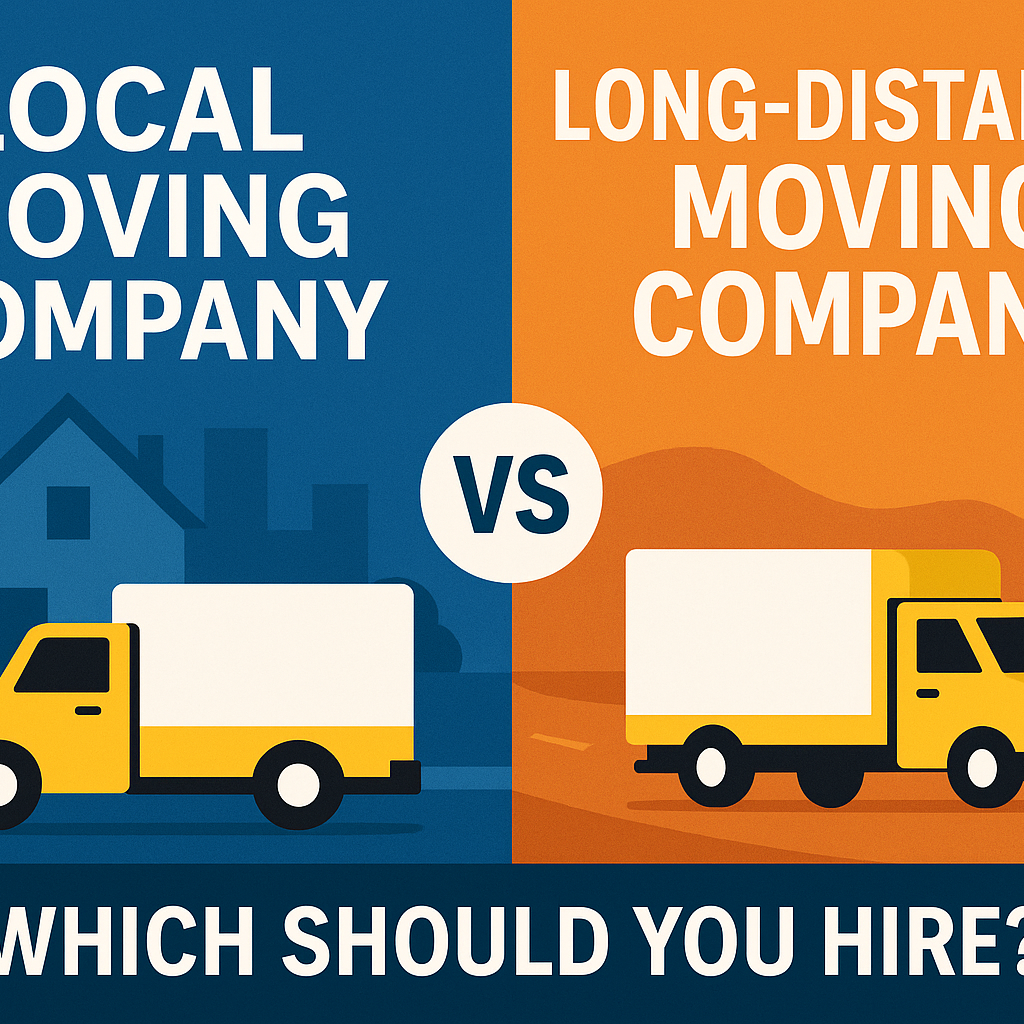
Stacks of cardboard boxes tower in every corner, each one meticulously labeled but already threatening to topple over. Your world has been reduced to bubble wrap, packing tape, and countless lists scribbled on notepads and phone apps—a constant reminder of just how much there is to do before the big day. Somewhere between sorting out what to keep and what to donate, you realize that the hardest part isn’t just packing your belongings; it’s figuring out how to get everything safely to your new home. Moving, whether across town or across the country, brings a whirlwind of emotions: excitement for new beginnings mixed with anxiety about the unknown. And amid the chaos, one question keeps gnawing at you—should you trust your local moving company, the one with familiar faces and trucks that you’ve seen in your neighborhood for years, or should you hire a team of long-distance specialists, promising expertise for journeys that span hundreds or even thousands of miles?
The choices quickly become overwhelming. Local movers often seem more approachable and budget-friendly, but do they have the resources and experience to handle a cross-country trek? On the other hand, long-distance movers offer tailored services and the promise of seamless logistics, but working with a company you’ve never met can feel like a leap of faith. You find yourself deep in online reviews, comparing quotes and services, trying to weigh the risks and rewards of each option. The stakes are high: these aren’t just boxes; they’re pieces of your life—cherished photo albums, sentimental heirlooms, and the everyday essentials that make a house a home. In a process already fraught with stress, making the right decision about who will transport your possessions can feel like the most important—and most daunting—choice of all. As you tape up another box and glance around at the organized chaos, you can’t help but wonder: which path will give you the peace of mind you need to start your new chapter on the right foot?When planning a move, one of the first and most important distinctions to understand is the difference between local and long-distance moves. A local move typically involves relocating within the same city or metropolitan area, while a long-distance move covers a greater geographical range, often crossing state lines or even moving to a different region altogether. This difference is more than just about the miles traveled; it affects every aspect of the moving process, from logistics and regulations to costs and the type of services required.
Selecting the right type of moving company for your specific situation is crucial to ensuring your relocation is smooth and stress-free. Local movers usually specialize in short-distance relocations, offering services tailored to quick and efficient moves within a limited area. In contrast, long-distance moving companies are equipped to handle the complexities of transporting belongings over hundreds or thousands of miles, often navigating state regulations, multiple stops, and longer timelines. Choosing the wrong kind of mover can result in unexpected delays, higher costs, damaged belongings, or even legal headaches. That’s why it’s essential to understand the unique challenges and requirements associated with your particular move before hiring a moving company.
Many people make the mistake of assuming that all moving companies offer the same services or that selecting the lowest quote will guarantee the best outcome. Others underestimate the importance of researching company credentials or fail to clarify what is and isn’t included in the moving package. Such misconceptions can lead to unpleasant surprises, such as hidden fees, inadequate insurance coverage, or unreliable service. Being aware of these common pitfalls can make a significant difference in your moving experience and help you avoid unnecessary stress.
In this article, we’ll break down the key differences between local and long-distance moves, explore the pros and cons of each type of moving company, and discuss the main factors that influence costs. We’ll also provide practical tips to help you make the best decision for your situation, ensuring your relocation goes as smoothly as possible. Whether you’re moving across town or to a new state, understanding these essential details will help you navigate the process with confidence.When planning a move, one of the first distinctions to understand is the difference between a local and a long-distance move. Generally, a local move is defined by the proximity between your current and new residence—often within the same city, metropolitan area, or a specific radius, typically under 50 to 100 miles. These moves do not cross state lines and are usually completed within a single day. In contrast, a long-distance move involves relocating to a destination beyond this range, often crossing state borders or even moving to another region of the country. Some companies may classify any move over 100 miles or those that cross state lines as long-distance, and these may also be referred to as interstate moves.
The services provided by moving companies can differ depending on the type of move. Local moving companies often focus on basic services, such as loading, transporting, and unloading your belongings. They may also offer optional services like packing and unpacking, short-term storage, and furniture assembly. Because local moves are shorter and less logistically complex, pricing is often based on hourly rates, number of movers, and the size of the truck required. On the other hand, long-distance moving companies offer a broader array of services tailored to the complexities of moving over greater distances. These services often include detailed inventory tracking, shipment tracking, custom crating for delicate items, vehicle transport, and coordination for storage-in-transit if your new home isn’t ready immediately. Pricing models for long-distance moves are more intricate, typically based on the total weight of your items, the distance traveled, and any additional services requested.
A crucial difference between local and long-distance moves lies in licensing and regulation. Local movers are usually regulated by state or local authorities and must comply with their specific requirements, such as insurance and business licensing. In contrast, long-distance or interstate movers must adhere to federal regulations, primarily overseen by the Federal Motor Carrier Safety Administration (FMCSA). These movers are required to have a USDOT number, meet higher insurance standards, and provide customers with official documents like the “Your Rights and Responsibilities When You Move” booklet. This distinction ensures a higher level of consumer protection for moves that involve greater distances and additional risks. Understanding these differences will help you choose the right type of moving company and ensure a smoother, more informed moving experience.Local moving companies offer a unique set of benefits that make them an appealing choice for many individuals and families planning a relocation within the same city or region. One of the main advantages of opting for a local mover is their deep familiarity with the area. These professionals know the local neighborhoods, traffic patterns, parking restrictions, and building regulations, which allows them to navigate the logistics of your move more efficiently. Their knowledge can help prevent delays and ensure that your belongings arrive at your new home safely and on time. Additionally, local movers often provide greater flexibility in scheduling, as they typically handle a smaller volume of moves compared to larger, national companies. This can make it easier for you to book last-minute services, request specific time slots, or accommodate changes to your moving date without significant hassle.
Another significant benefit is the potential for lower costs. Local moving companies generally have lower overhead expenses, as they operate within a limited geographic area and do not incur the high fuel, toll, and labor costs associated with long-distance moves. As a result, their pricing is often more competitive for short-distance relocations, making them a cost-effective choice for budget-conscious customers. Furthermore, the personalized service offered by local movers can lead to a more attentive and responsive moving experience, as these companies often rely on building a strong reputation within their communities.
Despite these advantages, there are some drawbacks to consider when choosing a local moving company. Many of these businesses have limited resources, including smaller fleets of trucks and fewer staff members, which can impact their ability to handle larger or more complex moves. Additionally, local movers may lack experience with interstate or cross-country logistics, resulting in challenges if your move involves crossing state lines or requires specialized services. For out-of-state moves, national companies often have the infrastructure, expertise, and regulatory knowledge necessary to manage the process smoothly.
Local moving companies are ideally suited for relocations within the same city or metropolitan area, small apartment moves, or situations where personalized service and local expertise are top priorities. They are a great fit for clients seeking affordability, flexibility, and a stress-free moving experience without the complexities of interstate regulations. However, for long-distance or highly specialized moves, it may be more beneficial to consider a company with broader capabilities and experience.Long-distance moving companies offer a range of specialized services designed to make cross-country or international relocations more manageable. One of the main advantages of hiring such professionals is their access to specialized equipment and expertise. These companies are skilled in handling complex logistics, such as transporting large or fragile items, navigating customs regulations for international moves, and ensuring that belongings are packed securely for a journey that could span hundreds or thousands of miles. Another significant benefit is the availability of comprehensive insurance options that protect your possessions against loss or damage during transit. This level of coverage provides peace of mind, especially for valuable or irreplaceable items, which might not be as thoroughly protected with a DIY move.
In addition to their technical skills, long-distance moving companies are also well-versed in the legal and logistical requirements of moving between states or countries. They can manage paperwork, coordinate with local authorities, and adhere to transportation laws, which can save you considerable time and stress. Furthermore, these movers often offer tracking systems, allowing customers to monitor the progress of their shipment in real time, adding an extra layer of transparency and reassurance.
However, there are some drawbacks to consider when hiring a long-distance moving company. The most notable disadvantage is the higher cost associated with these services. Professional movers charge for labor, equipment, fuel, and distance, making long-distance relocations significantly more expensive than local DIY alternatives. Additionally, the process can feel less personal, as you are entrusting strangers with your possessions and may have less flexibility in handling your items or dictating your own schedule. Scheduling constraints can also arise, as moving companies often have set routes or timeframes, which may not align perfectly with your preferred moving dates.
You should consider engaging a long-distance moving company if your relocation involves a significant distance, a tight timeline, or the need to transport valuable or delicate items that require professional handling. They are also a practical choice if you lack the time, physical ability, or expertise to manage a large-scale move on your own. For moves that cross state lines or international borders, the additional support, insurance, and logistical management provided by these companies can make the transition smoother and less stressful.When planning a move, understanding the various cost factors involved is essential to budgeting effectively and avoiding surprises. One of the most significant distinctions in pricing comes from the type of move you are undertaking—local or long-distance. Local moves, typically defined as relocations within the same city or a short radius, are usually billed at an hourly rate. This hourly rate often covers the labor of the moving crew, the use of the truck, and basic moving equipment. The total cost will depend on how many movers are needed and the estimated hours to complete packing, loading, transporting, and unloading your belongings.
In contrast, long-distance moves are generally priced based on the total weight of your items and the distance between your current and new homes. Companies may also factor in the volume of goods or use a combination of distance and weight to determine the final price. This means that decluttering and reducing your moving load can lead to substantial savings. Additionally, long-distance moves often incur charges for fuel, tolls, and even overnight accommodations for the crew in some cases.
Beyond the basic transportation costs, extra services can significantly influence your final bill. Many moving companies offer packing and unpacking services, which can save you time but come at an additional cost. If you require temporary storage—perhaps your new home is not ready, or you’re downsizing and need time to organize—this is another service with its own pricing structure, usually based on the amount of space and duration. Specialty items such as pianos, antiques, oversized furniture, or delicate artwork may require custom crating, special handling, or even additional insurance, all of which add to the expense.
It’s also crucial to be aware of hidden fees that can inflate your moving costs unexpectedly. Common hidden charges include fees for moving items up or down stairs, long carry charges if the truck cannot park close to your door, charges for disassembling or assembling furniture, and surcharges for moving on weekends or during peak seasons. To avoid these, ask for a detailed written estimate that includes all potential extra charges, and clarify any ambiguous terms with your moving company. Reading reviews and comparing multiple quotes can also help you spot companies that are transparent versus those that may surprise you with hidden costs. By understanding these cost factors and proactively communicating with your movers, you can ensure a smoother, more predictable relocation experience.Before selecting a moving company, it’s essential to thoroughly assess your individual moving needs to ensure a smooth and successful transition. Begin by evaluating the complexity and distance of your move. Are you moving locally, across the country, or even internationally? The distance will significantly influence the type of service you require, as some companies specialize in long-distance or international relocations, while others focus on local moves. Consider the size and nature of your household belongings as well—do you have fragile items, antiques, or large furniture that will require special handling or packing materials? The number of rooms, access points at both properties, and any unique circumstances such as moving into a high-rise or a home with narrow staircases can add layers of complexity that need to be communicated to potential movers.
To streamline your search for the right moving company, create a checklist of questions to ask during your inquiries. Key questions include: Are you licensed and insured? Can you provide references from recent clients? What is your pricing structure, and are there any hidden fees? How do you handle claims or damages? What is your cancellation or rescheduling policy? Do you offer binding estimates or only non-binding quotes? How much experience do you have with moves similar to mine in terms of distance and complexity? Request documentation of their credentials, proof of insurance, and a written estimate to compare with other companies. This checklist not only helps clarify your expectations but also enables you to make informed decisions based on clear, tangible information.
While researching movers, be vigilant about potential red flags that may indicate a less-than-reputable company. Beware of movers who demand large deposits or full payment upfront, refuse to provide a written estimate, or have a lack of verifiable credentials. Watch for vague answers to your questions, poor or missing online reviews, and reluctance to share references. Additionally, companies that only communicate via cell phone, lack a physical address, or pressure you into quick decisions should be avoided. Always verify a company’s registration with relevant authorities, such as the Department of Transportation for interstate moves. By carefully vetting your options and being alert to warning signs, you can greatly reduce the risk of complications and ensure that your belongings are entrusted to reliable professionals.When it comes time to make a decision about hiring the right mover, looking at real-world examples can help clarify what might work best for your situation. For instance, consider the experience of a family relocating across several states. After comparing several full-service moving companies, they realized that a DIY truck rental was more cost-effective. However, the time and effort required for packing, loading, and driving the truck themselves turned out to be more stressful than anticipated. In contrast, a young professional moving within the same city opted for a small local moving company that provided partial packing services. This hybrid approach balanced affordability with convenience, resulting in a seamless transition.
To streamline your own decision-making process, utilizing a decision matrix or flowchart can be invaluable. Start by listing your priorities: budget, time constraints, the amount and type of belongings, distance of the move, and any special requirements (such as moving antiques or a piano). Rate the importance of each factor and then compare potential movers against these criteria. For example, if cost is your top concern, a DIY move or portable storage container might score highest. If minimizing stress and physical labor is more important, a full-service mover would likely be your best bet. Visualizing these factors in a matrix helps ensure you’re choosing a mover that aligns with your specific needs.
As you make your final choice, a few additional tips can help ensure a smooth moving experience. Always check mover credentials and read recent customer reviews to verify reliability and service quality. Get written estimates from at least three different movers and clarify exactly what is included in the quoted price. Don’t forget to inquire about insurance coverage for your belongings during transit. Start planning and packing early, label boxes clearly, and keep important documents and valuables with you on moving day. By carefully weighing your options, using decision-making tools, and staying organized, you’ll set yourself up for a successful, stress-free move tailored to your circumstances.As you consider your upcoming move, it’s crucial to reflect on the key differences between moving companies and brokers, as well as the unique benefits and drawbacks each option presents. Moving companies provide direct services, handling your belongings with their own staff and equipment, which often results in greater accountability and straightforward communication. On the other hand, brokers act as intermediaries, connecting you with various moving carriers and potentially offering more flexible scheduling and broader coverage—but sometimes at the expense of consistent service quality and clarity regarding responsibility.
Weighing the advantages and disadvantages is essential. Direct moving companies often offer peace of mind when it comes to reliability and service consistency, but their costs may be higher and their schedules less flexible. Brokers may be able to secure competitive rates or last-minute bookings, but the experience can vary greatly depending on which third-party mover actually performs the service. Factors such as your timeline, budget, the complexity of your move, and your comfort with a potential lack of direct oversight should all play important roles in your decision.
Ultimately, the best solution will depend on your individual needs, preferences, and circumstances. Are you looking for maximum reliability and are willing to invest a little more? Or do you need flexibility and are comfortable conducting extra research to ensure a positive experience? Take time to thoroughly research your options—check reviews, compare quotes, and ask the right questions about licensing, insurance, and track records. Prioritizing transparency and reliability can help you avoid unpleasant surprises and ensure a smoother transition.
Remember, moving marks the beginning of a new chapter in your life. With the right partner by your side—whether it’s a reputable moving company or a trustworthy broker—your move can become more than just a logistical challenge. It can be a fresh, positive start, setting the tone for the exciting opportunities ahead. Take charge of your move, make informed choices, and embrace this opportunity for growth and new experiences.
