
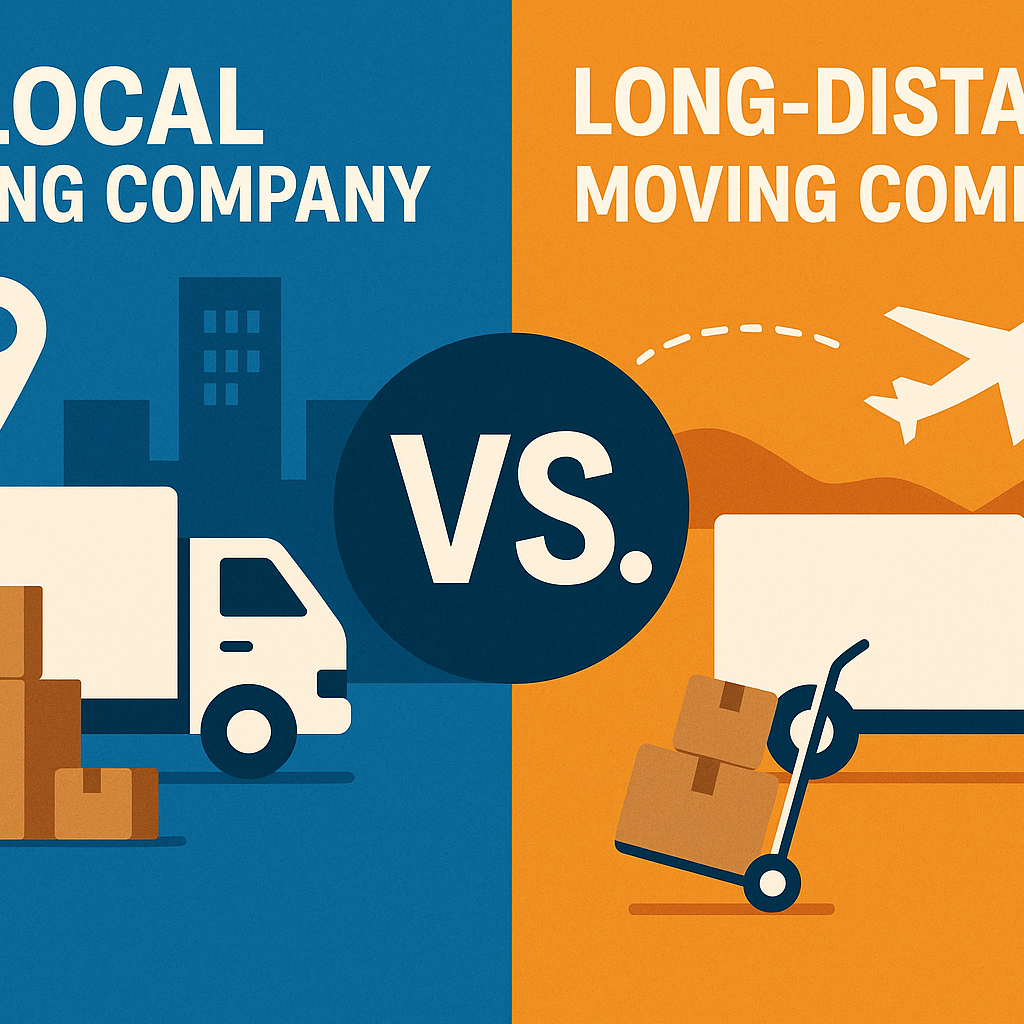
When preparing for a residential move, one of the first and most important steps is to clearly understand the distinction between a local and a long-distance move. At its core, a local move typically refers to relocations within the same city, metropolitan area, or a limited radius—often defined as under 50 or 100 miles, depending on your state’s regulations. These moves do not cross state lines and are usually governed by state or local laws. In contrast, a long-distance move generally involves traveling over a greater distance, frequently crossing state boundaries, and is subject to federal regulations overseen by agencies like the Federal Motor Carrier Safety Administration (FMCSA). The difference might seem straightforward, but it carries significant implications for every aspect of your relocation.
Understanding whether your move is local or long-distance matters because it directly affects your planning, budgeting, and overall expectations. For local moves, pricing is often based on hourly rates, the number of movers needed, and the total time required. These moves can usually be executed in a single day, with fewer logistical challenges. On the other hand, long-distance moves are usually priced based on the weight of your belongings, the total mileage, and sometimes additional services like storage or special handling. These relocations demand more coordination, careful scheduling, and a greater lead time. You may also encounter more paperwork, insurance requirements, and varying delivery windows, all of which can influence your moving timeline and budget.
Recognizing the type of move you are undertaking is crucial for setting realistic expectations and making informed decisions. If you assume your interstate relocation will be as straightforward as a local move, you may overlook vital considerations such as federal regulations, the need for specialized moving companies, or the possibility of delayed delivery. Conversely, over-preparing for a short local move can lead to unnecessary stress and expenses. By understanding these distinctions from the outset, you can better tailor your planning process, set an accurate moving budget, and choose the right moving company. Ultimately, knowing whether your move is local or long-distance sets the foundation for a smoother, more predictable moving experience—one where surprises are minimized and your transition to a new home is as seamless as possible.When comparing local and long-distance moving companies, it’s essential to understand the distinct services and benefits each offers. Local movers typically provide flexible, personalized services such as packing, storage options, insurance, and handling of specialty items like pianos or antiques. Their proximity allows for on-site estimates and tailored scheduling, making them ideal for short-distance relocations. In contrast, long-distance movers specialize in complex logistics, cross-state regulations, and efficient coordination over hundreds or thousands of miles. These companies are adept at navigating federal requirements, such as FMCSA and DOT licensing, ensuring your belongings are transported legally and safely across state lines.
Cost considerations also differ significantly. Local movers usually charge by the hour, while long-distance companies base pricing on weight and distance. Hidden costs, such as fuel surcharges, stair fees, or extra insurance, can add up, so it’s crucial to request detailed estimates and clarify what’s included. Obtaining accurate quotes often involves in-home assessments for local moves and inventory lists for long-distance relocations.
Licensing and regulations are stricter for interstate movers, who must comply with federal guidelines and display valid DOT numbers. Local companies adhere to state or municipal requirements, which can vary widely. Ensuring your chosen mover meets all legal criteria is vital for protecting your possessions and avoiding scams.
Reliability and reputation matter regardless of distance. Researching online reviews, checking company credentials, and verifying memberships in professional organizations can help you gauge trustworthiness. National moving companies may have more established reputations but can also face higher scrutiny, while smaller local movers may offer more direct accountability. Always be cautious of unusually low quotes or requests for large deposits.
Insurance and liability coverage also vary. Local moves typically include basic coverage, but long-distance services often offer more comprehensive options. For valuable or fragile items, consider purchasing additional protection to cover potential losses or damages.
Scheduling and flexibility differ as well—local movers may offer more adaptable timeframes, while long-distance companies operate within stricter delivery windows and face more potential delays. Clear communication about timelines and contingency plans is key.
In summary, local movers excel in flexibility and personalized attention, making them perfect for short moves, while long-distance movers offer expertise in logistics and regulatory compliance, essential for cross-country relocations. As you decide, consider factors like distance, volume, budget, and timeline, and ask specific questions about each company’s experience, licensing, and insurance before making your choice.Selecting the right moving company is a crucial step in ensuring that your relocation experience is smooth, efficient, and as stress-free as possible. Throughout this guide, we’ve highlighted just how important it is to align your choice of mover with your unique requirements—whether you’re moving across town, to another state, or even internationally. Every move comes with its own set of challenges, from fragile items and bulky furniture to strict timelines and special requests. That’s why taking the time to assess your needs and carefully match them to the strengths of a prospective moving company can make all the difference between a chaotic move and a seamless transition.
We encourage you to utilize the comprehensive checklist and practical tips provided in this guide as you begin your search for the perfect moving partner. These tools are designed to help you evaluate companies on important factors such as reputation, licensing, insurance coverage, transparency in pricing, and the range of services offered. Don’t hesitate to ask questions, read reviews, and request in-home estimates—these steps are vital in distinguishing reputable movers from those who might not meet your standards. Remember, investing a little extra time in research now can save you a great deal of stress, money, and potential headaches down the road.
As you move forward, let this be your call to action: approach your move with confidence. Make a shortlist of movers, compare their services and prices, and trust your instincts when making the final decision. By being thorough and proactive, you’ll not only protect your belongings but also your peace of mind. A successful move starts long before the moving truck arrives—it begins with making an informed choice about who will help you get there. So, take charge of your moving experience, use the resources at your disposal, and embark on your new chapter with the assurance that you’ve made the right choice for your move.
